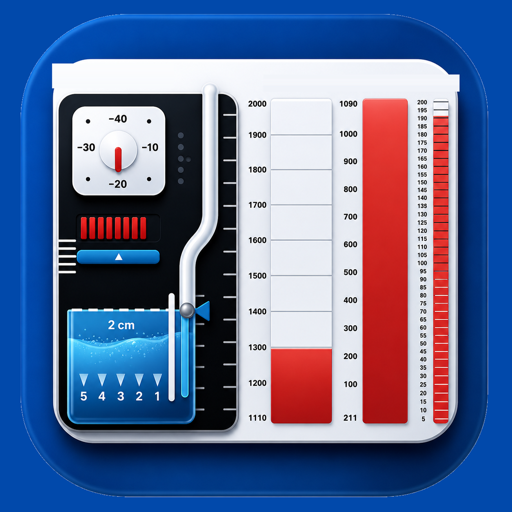
The chest tube drainage system you can practice on
Chest Tube Simulator is an interactive, fully animated chest drain for iPhone and iPad. Operate it, watch every chamber respond, and learn to read tidaling, air leaks, suction, and danger, safely, before you're at the bedside.
No account. No ads. No in-app data collection.
Coming to Android. Get release updates →
- Fully animated device
- Guided learning
- 6 simulator conditions
- 39-question quiz bank
- Works offline
- Built by an RN educator
Inside Chest Tube Simulator
Watch the app respond
Choose a 15-second demo: start at Normal, select a condition, then watch the feature for ten seconds. Expand the video for a closer look.
Each demo is 15 seconds, with ten seconds showing the feature. Recorded in the current 1.3.1 app interface. The tilt demo combines an actual app recording with an animated iPad frame; Pressure Lab uses an edited zoom.
For simulation and education only. Not for clinical practice. Follow facility policy and provider orders for patient care.
Diagrams don't move. Real drains do.
You can memorize a labeled diagram and still freeze the first time a real chest drain does something you've never seen, the water seal stops tidaling, a column starts bubbling, the bubbling pattern becomes more intense. Chest Tube Simulator lets you make those things happen on purpose and watch how the device responds, so the bedside version isn't the first time you've seen it. Practice as many times as you need. Nothing here touches a patient.
An interactive drain, not another diagram
This is a realistic, fully animated dry-suction chest drainage unit with a water-seal chamber for educational practice. Change the patient's condition and the device answers: the water seal tidals with breathing, an air leak bubbles through the graded columns, the collection chamber fills, and the suction monitor moves. A status strip describes the selected condition and bubbling pattern.

What's inside
-
Interactive simulator
Operate a realistic animated chest drain: wall-suction regulator, suction dial, water-seal and air-leak chambers, and a graduated collection chamber to 2000 mL.
-
Reading the water seal
Watch tidaling rise and fall with breathing, and see what it means when it stops.
-
Air leaks, graded
Compare intermittent and continuous bubbling using separate sliders with named intensity settings.
-
Suction, made clear
Tell the wall source, the −20 cmH₂O order, and the suction monitor apart.
-
Clinical scenarios
Choose Normal breathing, Hemothorax, Pneumothorax, Hemopneumothorax, Pleural effusion, or Tension pneumothorax. Compare the animated device across these six simulator conditions.
-
Pressure Lab
Connect the numbers on the drain to the pleural and alveolar pressures in the chest across the breathing cycle.
-
Guided lessons
Guided device and Under Pressure lessons cover the drainage unit and the physiology behind its readings.
-
Four timed quizzes
Clinical Scenarios, Reading the Bubbling, Drainage System Anatomy, and Managing Complications, 39 questions in all, with streaks, graded feedback, and explanations.
-
Progress, on your device
Lessons completed, quiz accuracy, and best streak, saved on your device, no account needed.

Explore the current interface
-
The current simulator shows Pneumothorax with intermittent bubbling and tidaling. -

Pressure Lab connects the simulated readings to its chest animation.Pressure values illustrate this simplified simulation. A value above or below zero does not diagnose or rule out tension pneumothorax. In patient care, assess and escalate suspected tension pneumothorax urgently according to facility policy and provider orders. -
Device and physiology lessons use illustrations captured from the app. -

Every lesson spotlights the exact part it is teaching. -

The Clinical Scenarios quiz, one of four topic quizzes in the app, with a per-question timer, streaks, and explanations.
Four ways to learn
-
Learn
Guided lessons that drive the real device through a teaching sequence, spotlighting each part as it's explained.
-
Simulator
A free-play sandbox: connect, dial, breathe, clamp, and watch the drain respond.
-
Pressure Lab
See the physiology behind the readings, intrapleural and alveolar pressure, condition by condition.
-
Progress
Track lessons completed, quiz accuracy, and your best streak.

Designed for iPhone and iPad. Also available on Apple Silicon Mac and Apple Vision Pro.
Made for the people who face chest drains
Built for nurses and new-grad nurses who want to master a scary, low-frequency skill; for nursing and respiratory-therapy students learning it for the first time; and for the educators who teach them and want a repeatable tool every learner can hold. Whether you set up chest drains already or have never touched one, you can practice reading them here.
Free guides to get you started
New to chest drains? Start with these plain-English guides, then practice what you read in the app.
-
How to read a chest tube drainage system
The whole device, top to bottom.
Read the guide → -
What is tidaling?
Why the water seal moves, and what it means when it stops.
Read the guide → -
Air leaks & bubbling
What's normal, what's a leak, and how to grade it.
Read the guide → -
Suction settings, explained
Wall suction, −20 cmH₂O, and the dial.
Read the guide → -
Recognizing danger
Tension, clamping, dislodged tubes, and overfill.
Read the guide →
Questions, answered
-
Is Chest Tube Simulator a medical device?
No. It's education and simulation software. It is not a medical device or medical advice. It isn't connected to a patient and must not be used for monitoring, diagnosis, treatment, or any clinical decision. Always follow your facility's policy and your provider's orders.
-
Who is it for?
Nurses, new grads, nursing and respiratory-therapy students, med students, CNAs, and the educators who teach them. It's useful whether you already set up chest drains or are seeing one for the first time.
-
Is this for learning how to insert a chest tube?
No. It focuses on reading and understanding the drainage system: tidaling, air leaks, suction, and recognizing danger. It doesn't simulate the insertion procedure.
-
What do I get?
An interactive animated drain, guided device and physiology lessons, six simulator conditions, a Pressure Lab, and four topic quizzes totaling 39 questions, plus on-device progress tracking.
-
Does it work on iPad? What about Mac or Vision Pro?
Yes. It's designed for iPhone and iPad (iOS/iPadOS 18 or later). It's also available on Apple Silicon Macs and Apple Vision Pro.
-
Is an Android version coming?
Yes. Chest Tube Simulator is coming to Android devices. A release date hasn’t been announced yet. Join the Android release list to hear when it’s available.
-
Do I need an account or internet connection?
No account, and no connection required to use it. Your progress is stored on your device.
-
Is my data collected?
The app collects no data, has no ads, and includes no tracking or third-party SDKs. This marketing website uses anonymous first-party analytics without tracking cookies or visitor IDs. If you join the Android release list, the website stores the name and email you submit for those updates; see Website Privacy.
-
How much is it? Is it a subscription?
It's a one-time purchase of $49.99, no subscription, and it's yours to keep.
-
Can it help me study for the NCLEX or a clinical check-off?
It's built to help you understand and see how a drainage system behaves, and the quiz lets you test yourself. Pair it with your program's materials and your facility's policies.
Your next practice session.
On your Android device.
Chest Tube Simulator is coming to Android devices. Leave your name and email, and we’ll let you know when it’s available.
A release date hasn’t been announced yet.
Cinematic 3D visualization
A closer look at the 3D visualization
This separate cinematic rotates a 3D concept model. The feature recordings above show the current app interface.
Scroll to rotate
Practice the drain before the drain finds you
Get Chest Tube Simulator and start reading a chest drain today, on your own time, at your own pace.