Translate complexity
Break physiology, assessment findings, and clinical judgment into language nurses can understand and use.
Vaughn NextGen Education turns difficult clinical concepts into clear, practical learning through contact-hour courses, guided paths, and simulation tools for nurses.
The foundation of Vaughn NextGen Education is clarity. Whether the product is a contact-hour course, a guided learning path, or a multi-device simulation scenario, the goal is to help nurses understand what is happening, why it matters, and what to do next.
Break physiology, assessment findings, and clinical judgment into language nurses can understand and use.
Show how symptoms, interventions, patient changes, and monitor responses fit together instead of teaching them as isolated facts.
Give nurses practical ways to rehearse decisions, recognize patterns, and carry learning back into patient care.

The app brings clear explanations, course access, learning paths, contact-hour progress, course medals, and personal learning status into one clean mobile experience.
Browse courses by assessment, skills, communication, and other practice-focused categories.
Return to active courses, completed content, contact-hour progress, and saved learning paths.
Keep learner status, contact-hour records, and future account tools in one reliable place.
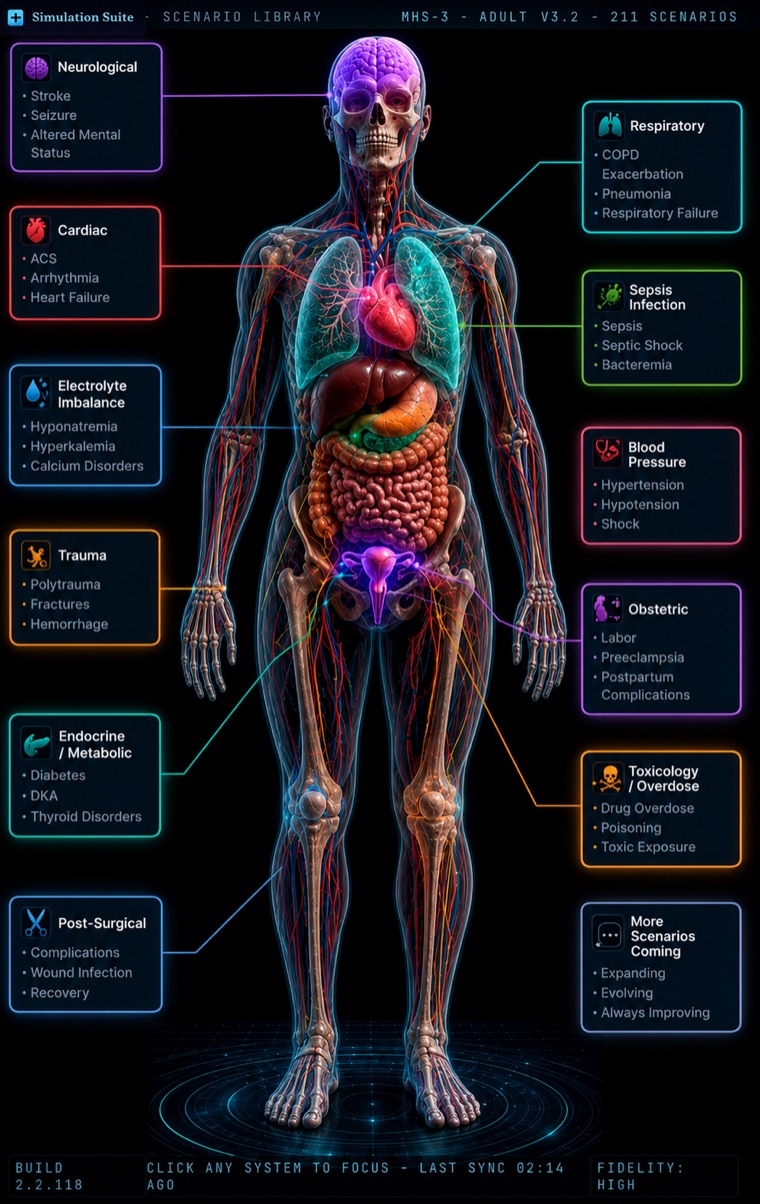
211 scenario-library build
Vital Sim is a simulation suite for nurse education that makes complex patient changes easier to see and teach. An educator runs the scenario from a controller interface, the nurse works through assessment and interventions on a bedside navigator, and the patient monitor responds to those decisions in real time.
Start, pause, redirect, and progress patient scenarios while keeping the simulation objective in view.
Guide the nurse through assessments, interventions, cues, and clinical decision points at the bedside.
Reflect patient changes as the bedside navigator records assessments and interventions.
Scenario families can be organized by neurological, cardiac, respiratory, sepsis, blood pressure, obstetric, toxicology, endocrine, trauma, electrolyte, and post-surgical priorities.
A single case can become a complete simulation environment: the nurse sees bedside actions, the educator sees decision support and scenario trajectory, and the monitor responds with live patient data.
Presents patient context, urgent cues, oxygen choices, prepared medications, assessment timers, and bedside actions the learner can take.
Gives the educator alerts, patient context, scenario trajectory, timing, key actions, and debrief ratings for validation.
Shows ECG, pleth, CO2, alarms, frozen-to-live comparisons, and vital-sign panels that change as decisions are made.
Educators can run Vital Sim with the amount of structure the moment needs, from open-ended teaching to patient profiles and full competency scenarios.
Drive every vital sign, rhythm, and event from educator controls. Best for sandbox practice, rapid teaching pivots, and improvisational simulation.
Load a fleshed-out simulated patient with chart, history, labs, and baseline vitals, then manually drive changes against that clinical context.
Run a pre-built case with patient context, timeline, learning objectives, and NPD competency alignment for structured validation.
Course listings can turn difficult clinical topics into focused lessons while highlighting category, level, price, estimated time, and contact-hour value once provider approval and final course details are confirmed.
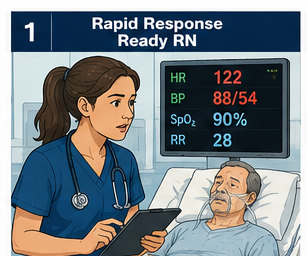
Early deterioration cues, escalation habits, and practical response thinking for bedside nurses.
View course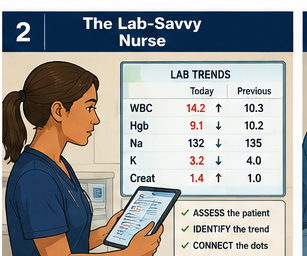
Identify lab trends, connect results to patient assessment, and decide what needs action.
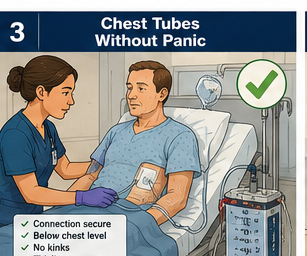
Connection checks, drainage, air leaks, below-chest-level setup, and escalation cues.
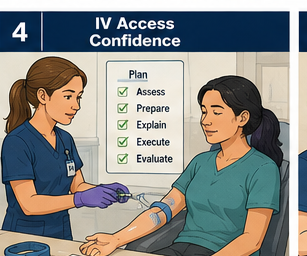
Assess, prepare, explain, execute, and evaluate IV access with a clear bedside plan.
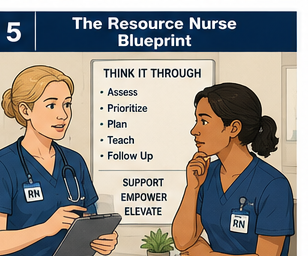
Support, teach, prioritize, and follow up without taking the learner out of the driver seat.
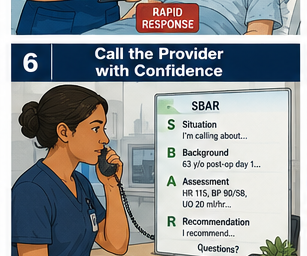
Practice SBAR, concise updates, clear recommendations, and provider-call readiness.
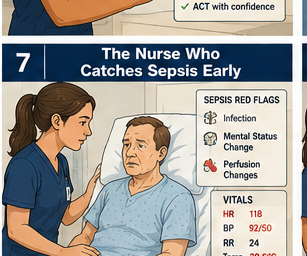
Spot infection, mental status, perfusion, and vital-sign changes before shock declares itself.
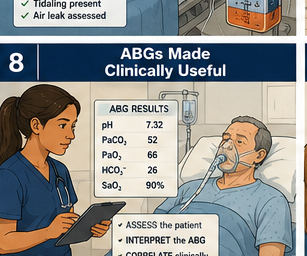
Turn pH, PaCO2, PaO2, HCO3, and oxygen saturation into practical bedside meaning.
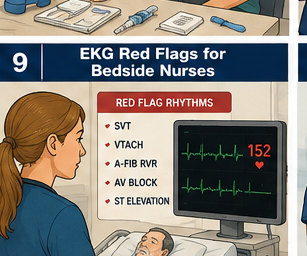
Recognize dangerous rhythms, connect monitor findings, and know when to escalate urgently.
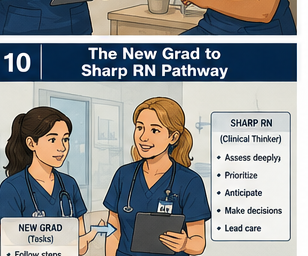
A guided path for assessing deeply, prioritizing, anticipating, making decisions, and leading care.
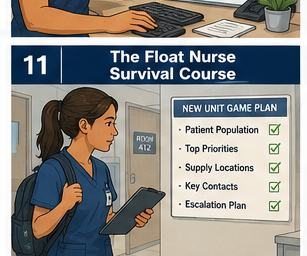
Walk onto a new unit with a plan for patient population, top priorities, supplies, contacts, and escalation.
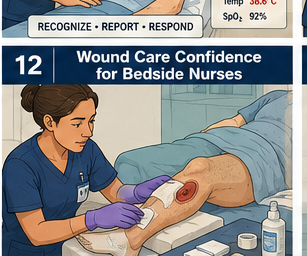
Assess wound changes, protect tissue, choose practical dressing priorities, and know when to escalate.
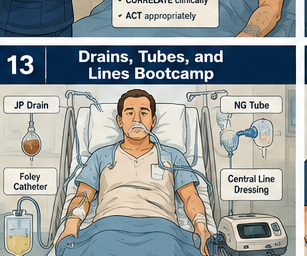
Recognize common drains, tubes, and lines, keep devices organized, and spot complications early.
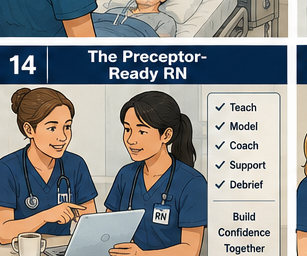
Teach, model, coach, support, and debrief in a way that builds confidence without lowering standards.
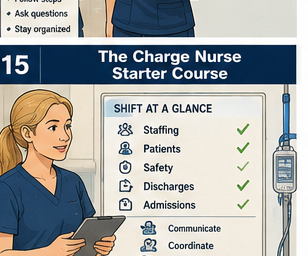
Coordinate staffing, patient priorities, safety, admissions, discharges, and team communication.
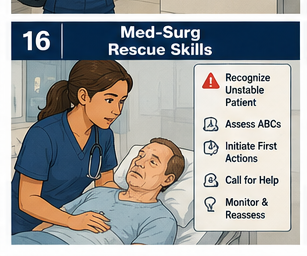
Recognize instability, assess ABCs, initiate first actions, call for help, and reassess with purpose.
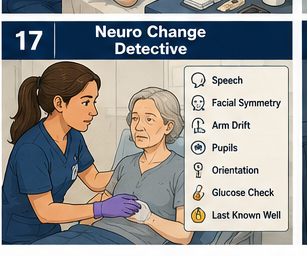
Use speech, facial symmetry, arm drift, pupils, orientation, glucose, and last-known-well cues.
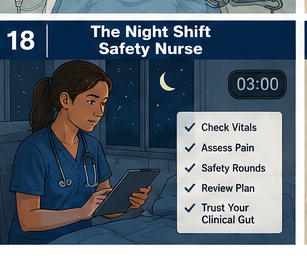
Check vitals, reassess pain, make safety rounds, review the plan, and trust clinical concern overnight.
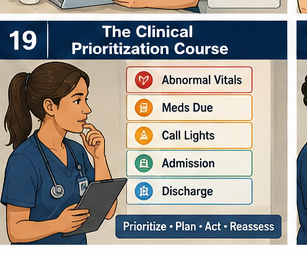
Sort abnormal vitals, meds due, call lights, admissions, and discharges into a workable care plan.
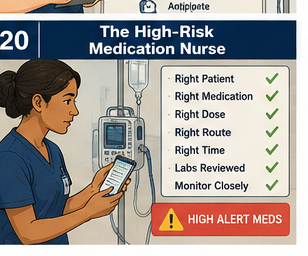
Apply the medication rights, review labs, monitor high-alert medications, and catch risk before harm.
The product can give nurses a clear route through content while keeping contact-hour progress visible and easy to return to.
Package high-quality nurse education into courses nurses can purchase, complete, and revisit from their mobile devices.
Group related content into practical sequences such as new graduate confidence, acute deterioration, skills, and communication.
Help nurses see active learning, completed work, course medals, contact-hour totals, and profile history.
The website can support the app launch by explaining the nurse learning experience, collecting interest, and preparing visitors for course access.
Nurses install the iPhone or iPad app and create a learning profile when the launch build is ready.
Learners browse the catalog, filter by category, follow learning paths, and select courses that fit their goals.
Course progress, contact-hour totals, completed learning, and profile history stay easy to access.
“The work starts with a simple standard: make difficult concepts clear enough that nurses can understand them, practice them, and use them with confidence.”
Choose the path that fits you best so I can send the right update, pilot details, or course-access information.
TestFlight